Lead Management System

Clicker
Building and evolving a startup around how dealerships sell.
- Role
- Co-founder · Digital product lead
- Sector
- Automotive
- Period
- 2018–2025
01
Context
I co-founded Clicker and led its digital product until I sold my stake in 2025. Dealerships ran much of their commercial work across disconnected tools, and Clicker grew by supporting how they actually sell.
02
Learning through iteration
Test the initial opportunity
We started with Facebook listings and a used-car marketplace MVP developed through a dealership partnership.
Respond to market learning
I identified a stronger opportunity in helping new-car dealerships manage digital demand and customer follow-up, advocating the business-model pivot in 2020. Nine dealerships joined the initial new-car platform.
Build around operational constraints
As lead volume and complexity grew, I prioritised requirements across three back-office iterations, collaborating with my technical co-founder on engineering. We connected vehicle inventory, campaign identifiers, Make workflows, credit-information checks and Pilot CRM. I introduced the workflow gradually by team and dealership to support adoption.
Explore the next model
○ PrototypeI developed a more self-service prototype with lead-volume pricing, exploring how dealerships could configure their own operations. This was not launched, unlike the back office and integrations already in use.
03
Results through 2025
- vehicle sales facilitated
- 4,700
- vehicle sales facilitated
- cumulative vehicle transaction value
- US$80M+
- cumulative vehicle transaction value
Cumulative company results through my exit in 2025. Transaction value represents dealership vehicle sales facilitated by Clicker, not Clicker revenue.
Company recognition
- StartUp Perú 8G — winning startup
- Forbes Perú — included among Peru’s 100 best startups, 2023(opens in a new tab)
04
Building the operating system
The resulting operating system linked vehicle inventory, incoming enquiries and the advisers’ workflow. I led product definition and prioritisation; my technical co-founder led the engineering work.
Pilot is a third-party automotive CRM; Clicker’s Django back office was custom-built.
Vehicle inventory and campaign matching
The Django back office managed dealerships, vehicle catalogues, photos and generated vehicle codes. Dealers included those codes in campaigns to connect enquiries with the relevant vehicle.
Automated lead processing
Integromat, later Make, connected incoming lead sources, the back office and Pilot CRM. Sentinel credit information helped prioritise commercial follow-up.
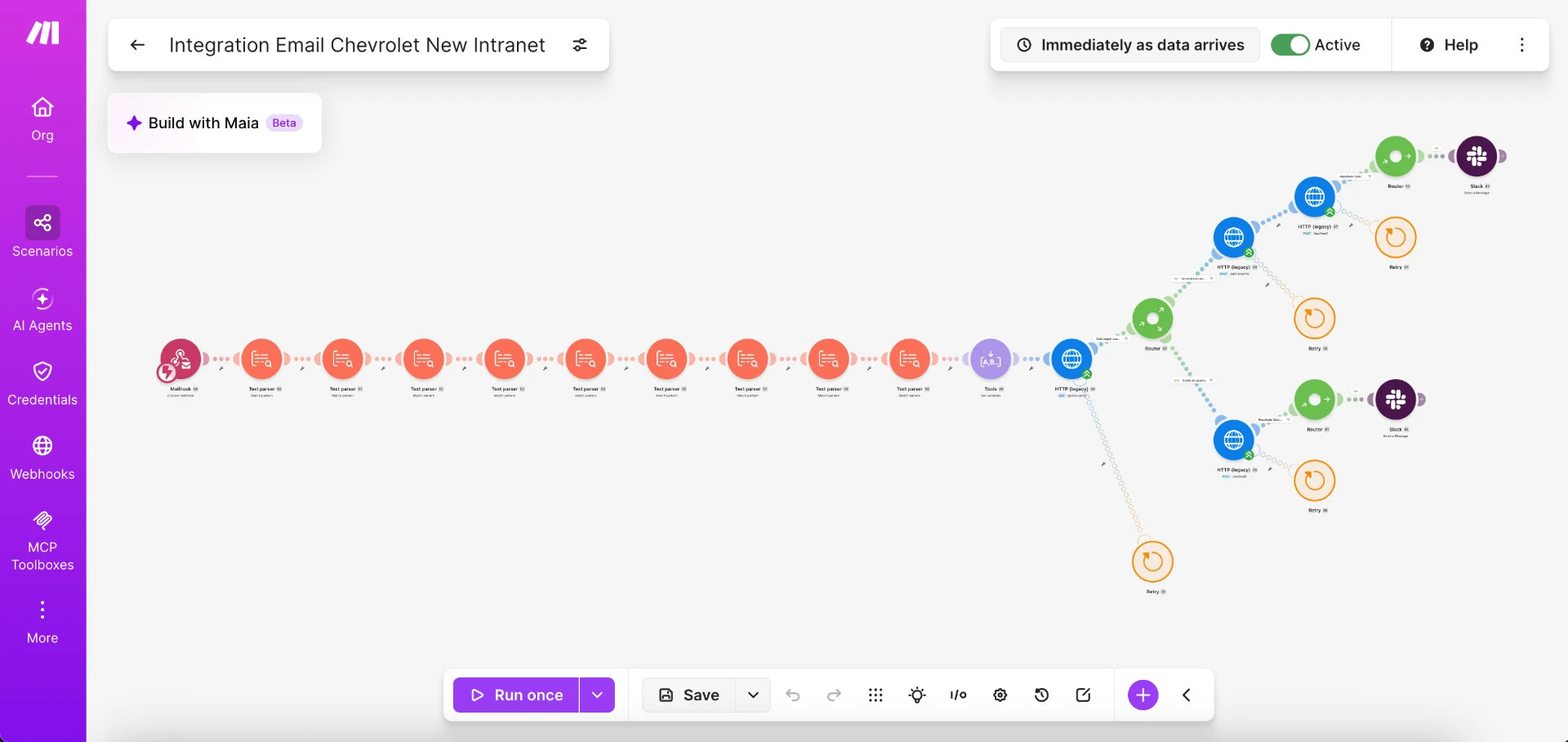
A Clicker automation scenario in Make, showing email parsing, HTTP requests, conditional routing and retry paths.
An adviser workspace
Pilot brought customer history, lead statuses, follow-up tasks and digital quotations into one contact record.
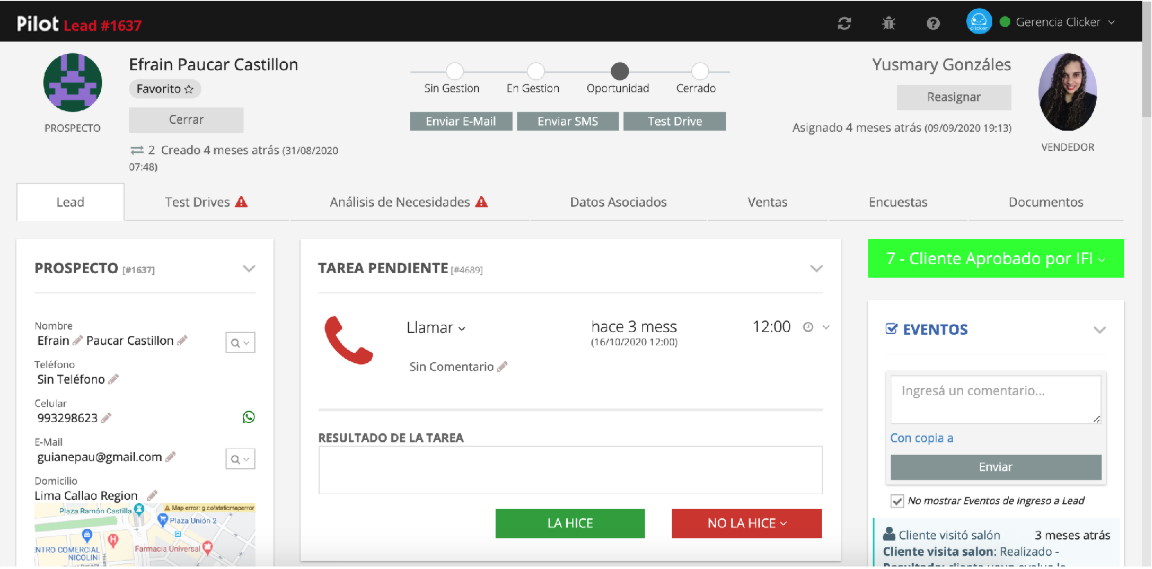
Pilot’s contact workspace brought lead status, assigned follow-up tasks and interaction history into one view.
Operational visibility
Filters, processing states, Excel exports and Pilot references supported operational review. A showroom QR check-in alerted our adviser when a referred prospect arrived.
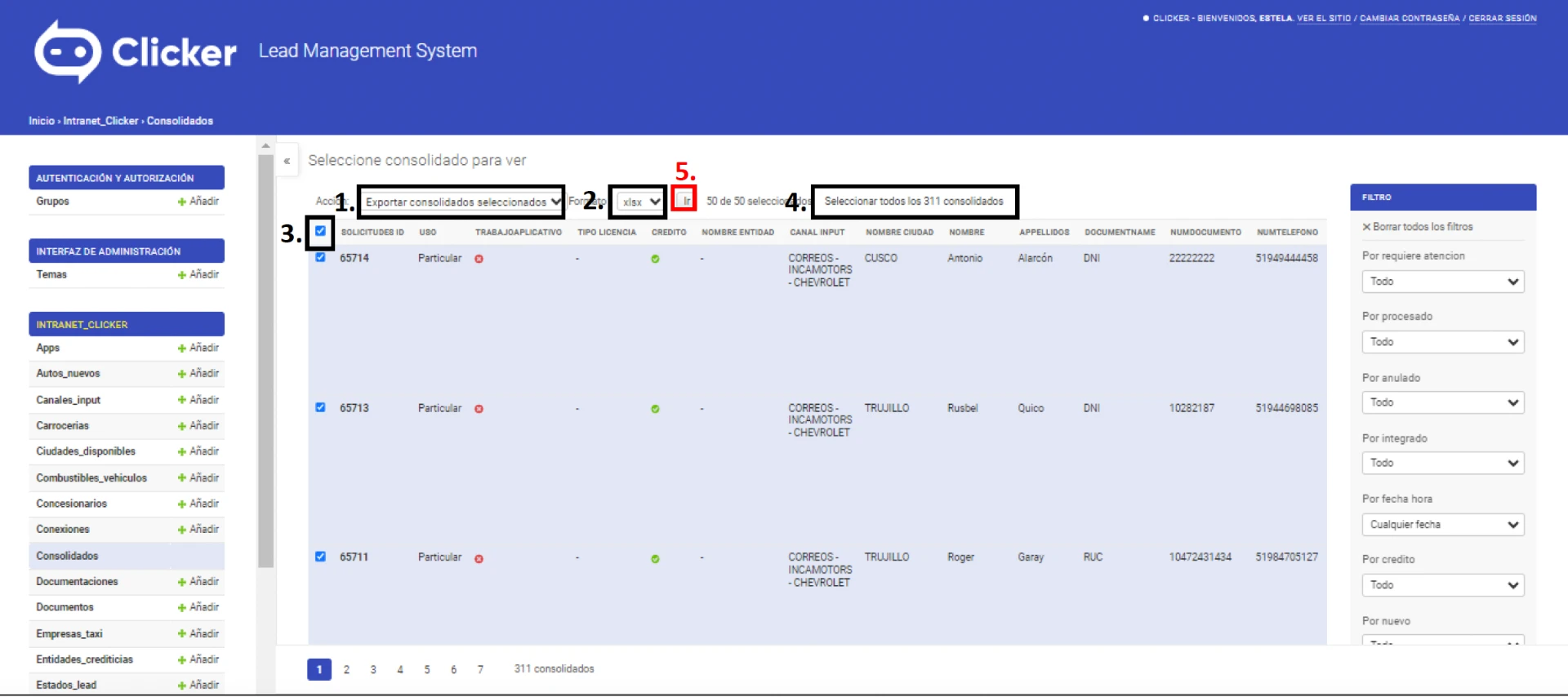
The Django back office consolidated lead records, with operational filters, bulk selection and Excel export.
My role: product requirements, prioritisation, coordination with my technical co-founder and rollout with the commercial team.
05
Rolling it out
Advisers were reluctant to leave shared spreadsheets because they feared losing visibility of their customers. I worked with the commercial team on adoption, making customer history and follow-up visible in the new workflow.
Not every integration held up. We integrated Net2phone calling with Pilot, but unstable home internet made it unreliable for our remote team. We suspended the service and returned to traditional calls.
06
The website during my time at Clicker
I worked on Clicker’s landing page in Figma and Framer. It presented the lead-management offer to dealerships during my time at the company.
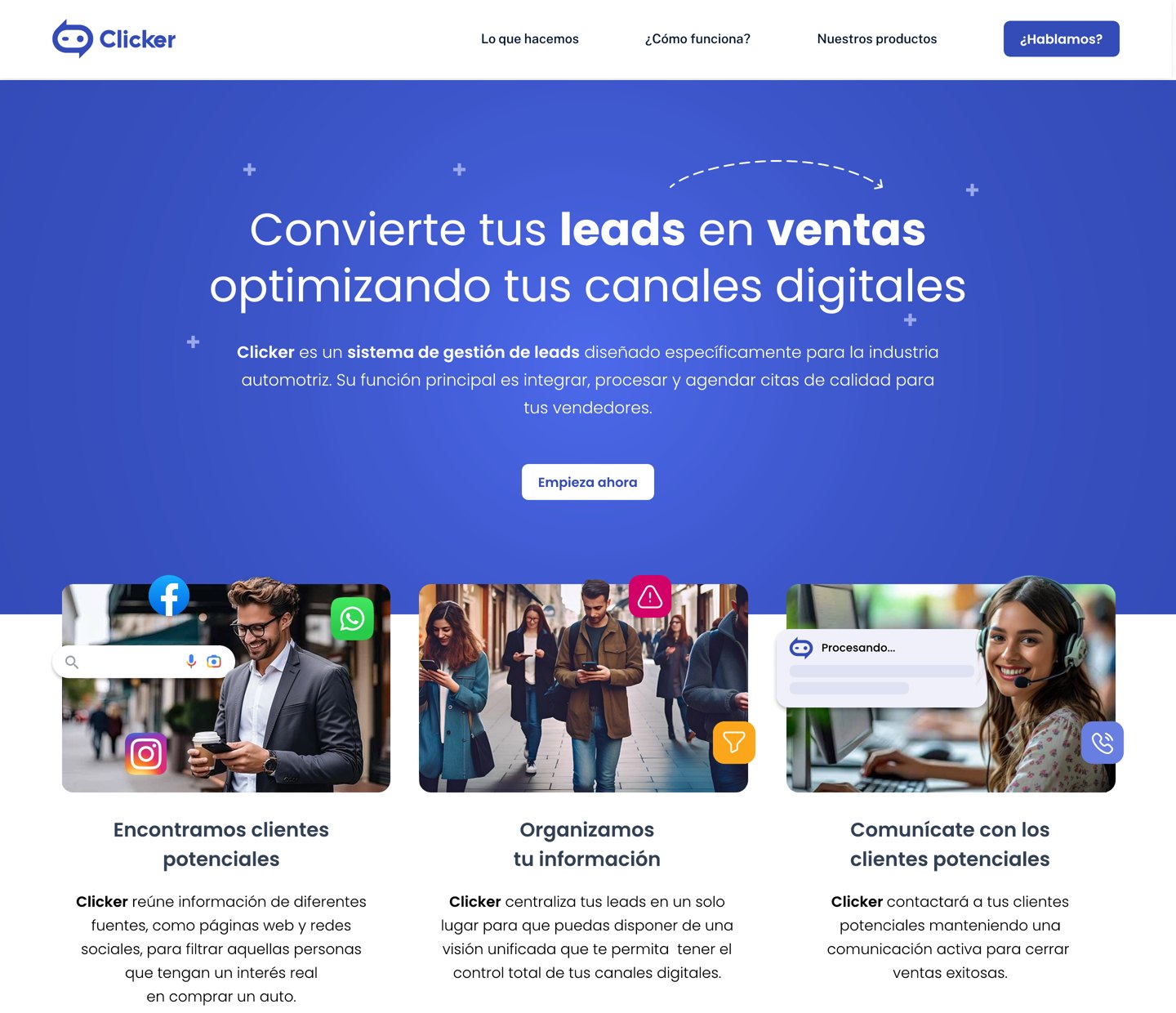
Historical Clicker landing page, developed using Figma and Framer during my time as co-founder and digital product lead.
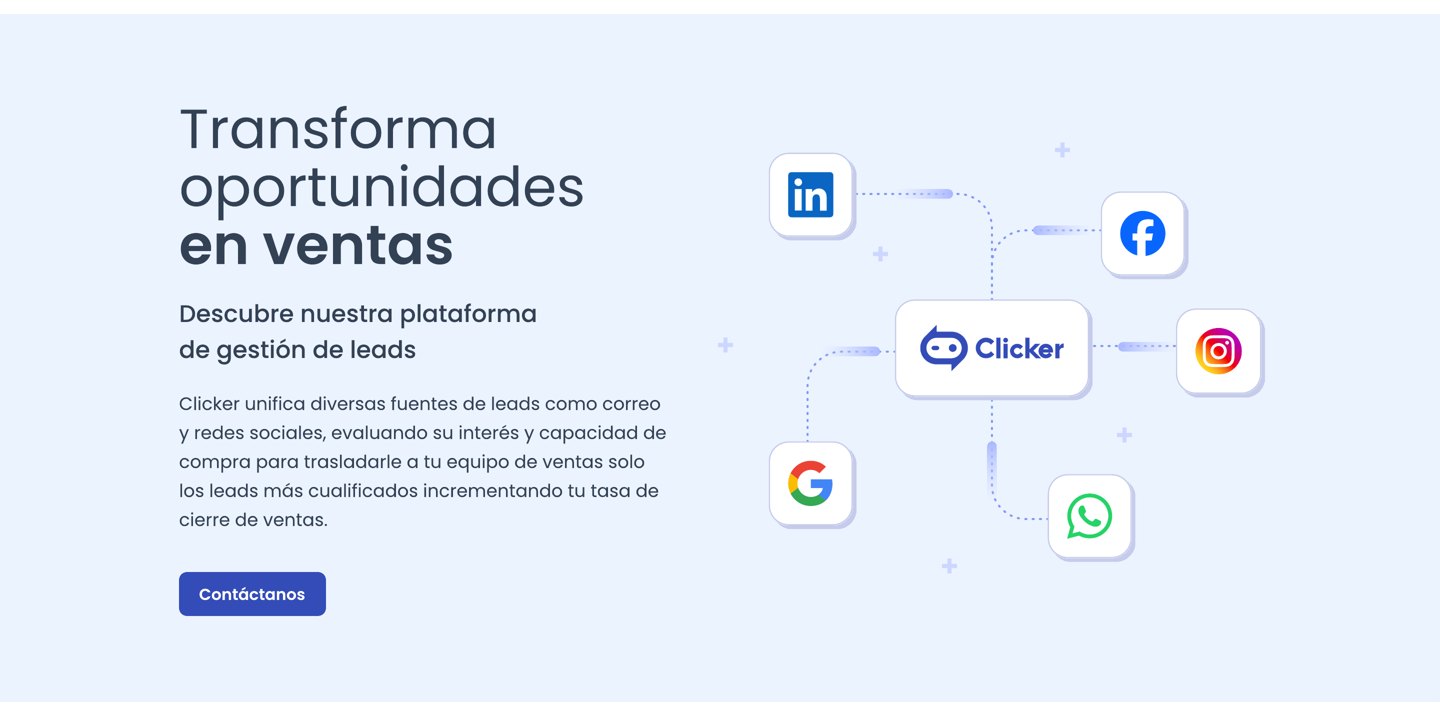
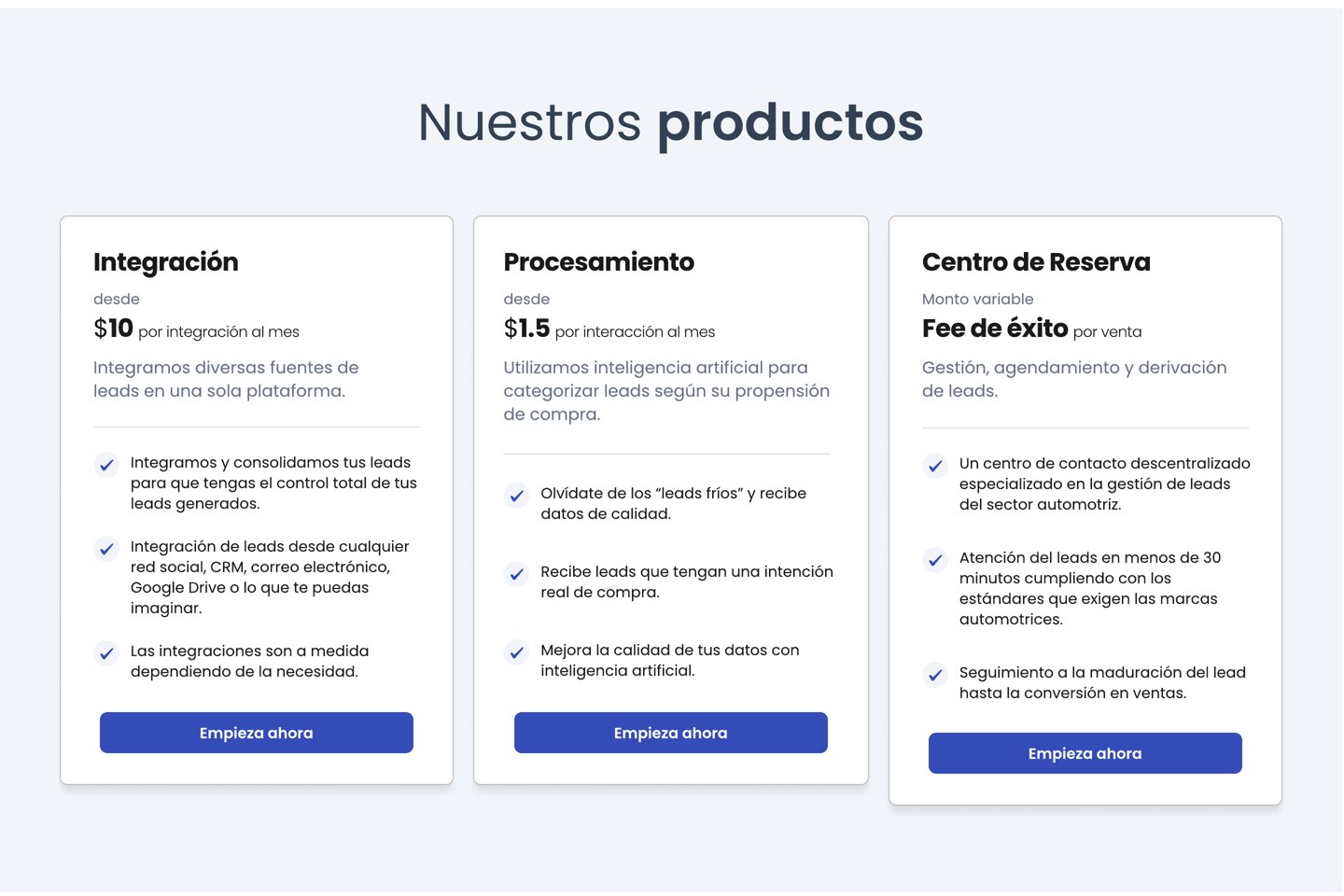
Offers and figures are period marketing, not verified launches or portfolio results.
The current website was created after my exit in 2025. I was not involved in this version.
07
Exploring a self-service model
As lead volumes grew, per-lead automation costs and operational workload prompted me to explore a more sustainable model. I developed a self-service concept with pricing based on lead-volume tiers, allowing dealerships to configure their business, inventory and integrations more independently.
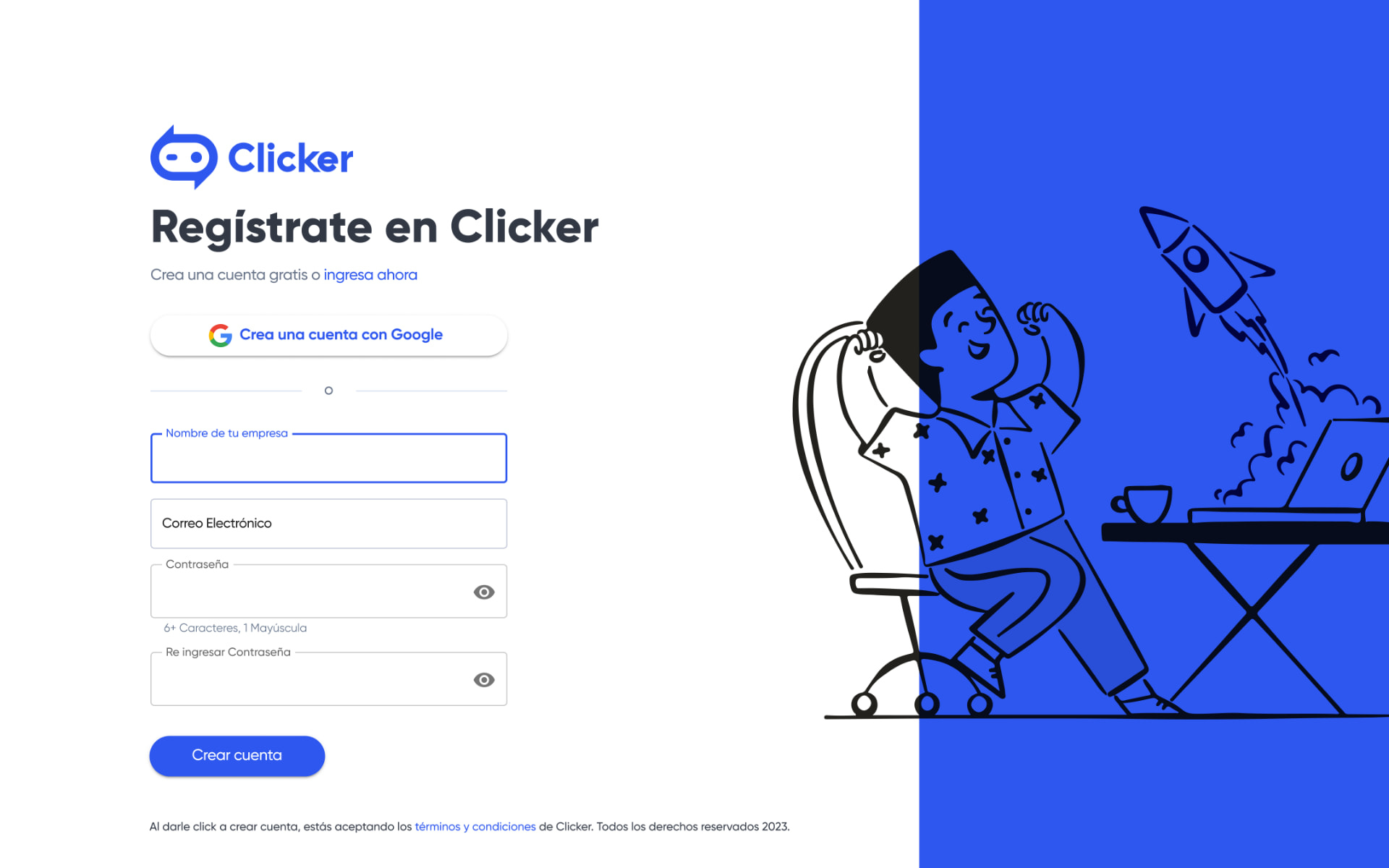
01
Account creation concept.
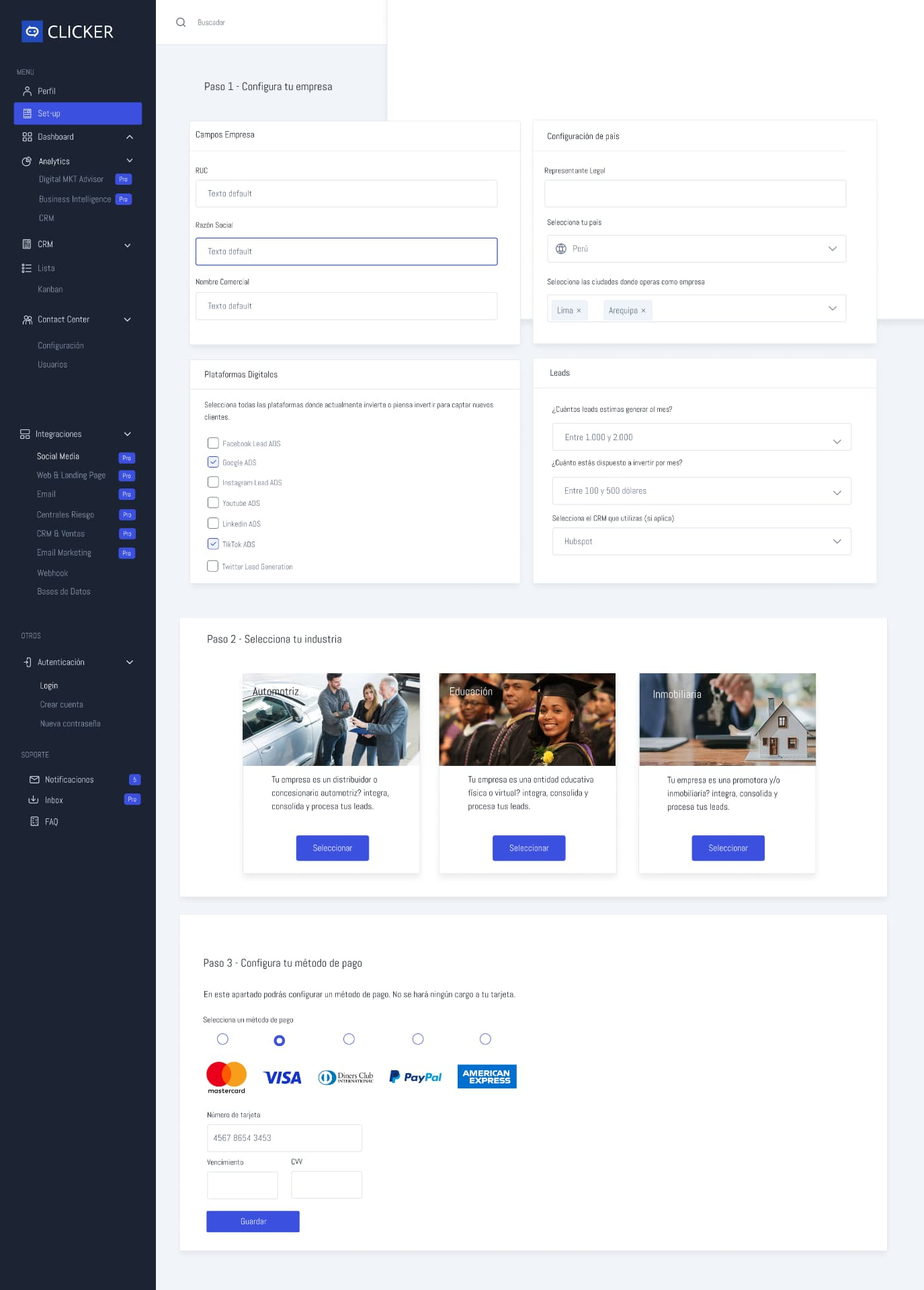
02
Company setup and integration preferences.
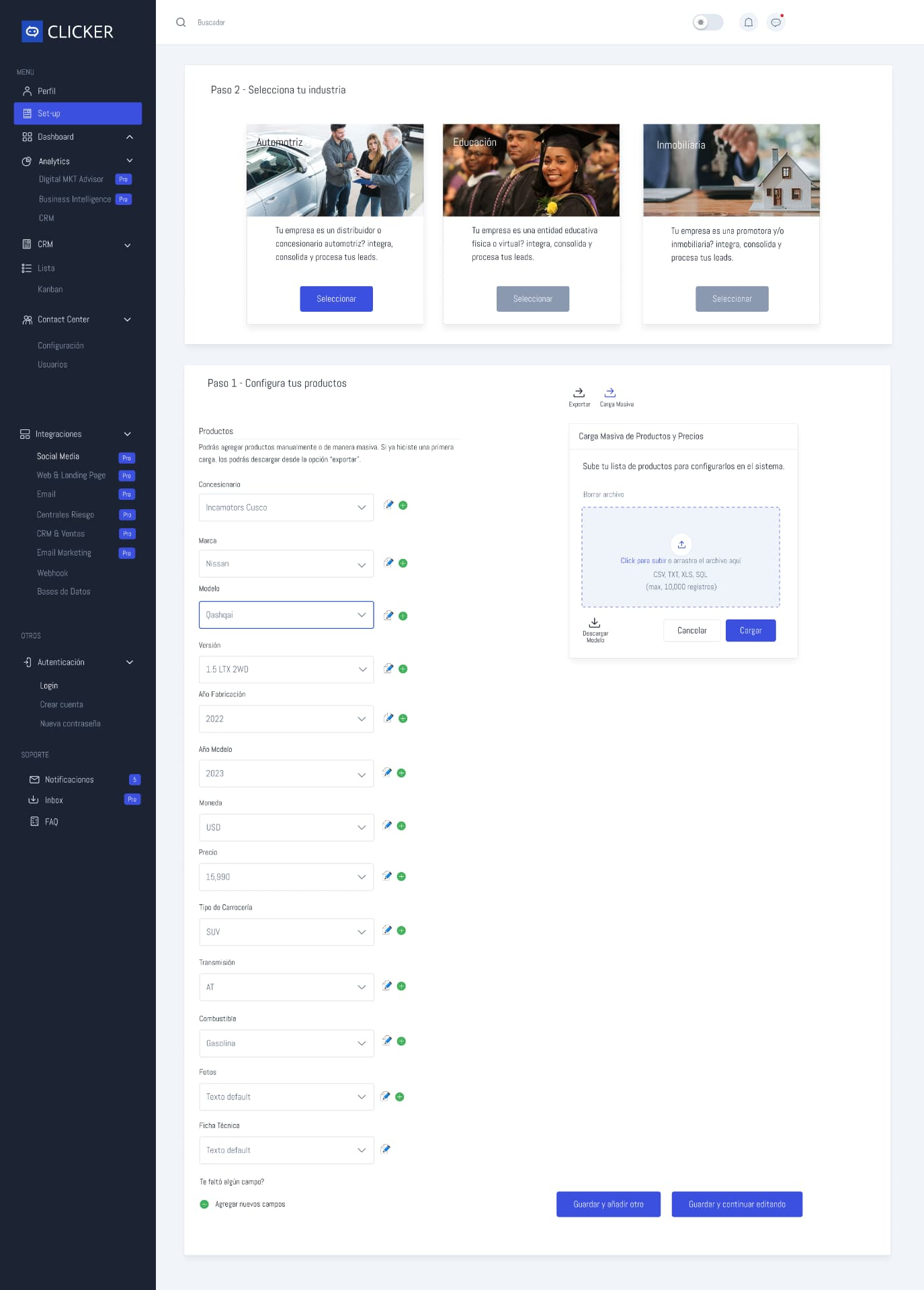
03
Dealership inventory configuration concept.